Why do I need a filter?
PFAS
PFAS stands for Per- and Polyfluoroalkyl Substances. They are a group of over 4000 man-made chemicals. Some PFAS are very effective at resisting heat, stains, grease and water, making them useful chemicals for a range of applications.
These substances are highly mobile in water and often referred to as “forever chemicals” because they break down extremely slowly in the environment.
By using either an activated carbon or reverse osmosis filter, we can reduce the amount of PFAS in our drinking water, reducing our exposure and risking our health.
Extend the Life of your Appliances
Using filtered water can significantly extend the life of appliances by reducing the presence of impurities such as minerals, sediment, and chemicals that can cause wear and tear. Filtered water benefits specific appliances by:
- Preventing Mineral Build-up (Scale)
- Reducing Corrosion by eliminating chlorine
- Improving Efficiency when limescale is reduced
- Protecting Moving Parts from sediment and small particles
- Enhancing lifespan & less repair and replacement.
Reduce Plumbing Maintenance
Using a whole house water filter protects tap & shower head water’s seals from chlorine-induced degradation. Chlorine can accelerate the corrosion of metal components in the plumbing system. A whole-house filter mitigates this risk by providing cleaner, less corrosive water, which helps shield against the chemicals that can wear down seals, helping to preserve the plumbing system and reduce maintenance costs over time.
Healthier, Hydrated Skin
A whole-house water filter system offers several benefits for skin health by removing chlorine, heavy metals, and other harmful chemicals found in tap water. Chlorine can strip the skin of its natural oils, leading to dryness and irritation, while also aggravating conditions like eczema and psoriasis.
By filtering out these harsh substances, the water used for bathing and washing becomes gentler on the skin, helping to retain moisture and reduce inflammation. This also benefits those with sensitive skin or acne, as filtered water is free of impurities that can clog pores. Additionally, contaminants like chlorine and heavy metals can promote free radical formation on your skin, which contributes to premature aging, wrinkles, and dull skin. Using filtered water helps protect your skin from these harmful elements.

Improved Hair Texture and Health
Chlorine and hard water minerals can make hair brittle, frizzy, and prone to breakage. By removing these, filtered water helps preserve your hair’s natural oils, leaving it shinier and smoother.
Hard water can also cause a dry, flaky scalp, leading to dandruff and irritation. Filtered water helps maintain the natural moisture of your scalp, reducing these issues.
Good for Your Garden
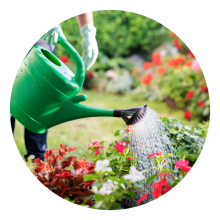
A whole house water filter benefits your garden by providing cleaner, healthier water for plants. Untreated tap water can contain chlorine, sediment, and other chemicals that may negatively affect soil health and plant growth. By filtering these contaminants out, the water becomes safer for plants, promoting stronger roots and overall plant health.
Cleaner water reduces the build-up of harmful minerals in the soil, ensuring that nutrients remain more accessible to plants. This can improve the efficiency of fertilization and promote better growth. The filtered water also helps protect beneficial microbes in the soil, which play a key role in breaking down organic material and enhancing soil fertility.
Environmental Benefits
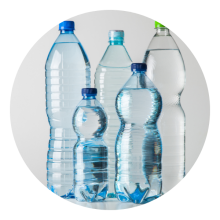
A whole-house water filter benefits the environment by reducing plastic waste and energy consumption. By filtering tap water, it eliminates the need for bottled water, which significantly cuts down on plastic production, transportation, and disposal. Plastic bottles often end up in landfills or oceans, contributing to pollution and harming wildlife.
Filters can help protect appliances and plumbing systems from scale build-up, increasing their lifespan and reducing the need for replacements, thus minimizing the production and disposal of additional materials.
Overall, whole-house water filters promote a more sustainable lifestyle by encouraging the use of local water sources and reducing waste.